
Orthodontic treatment
Orthodontic treatment is designed to correct misaligned teeth, malocclusions, and various bite problems.

Orthodontic treatment is designed to correct misaligned teeth, dental arch discrepancies, and various bite problems. The goal of treatment is not merely to straighten the teeth. It is important to achieve a better relationship between the teeth, a functional bite, and long-term stability of the results.
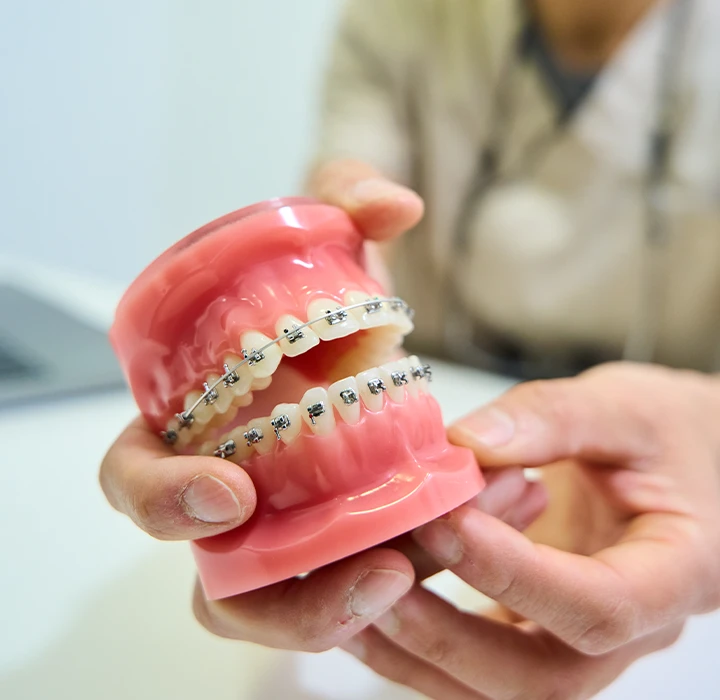
At the Diadenta clinic, we provide orthodontic treatment for children, adolescents, and adults. Depending on the patient’s age, the nature of the problem, and the treatment goals, we may use fixed or removable orthodontic appliances, braces, clear aligners, or a combination of these methods.
The treatment method is selected on an individual basis. The doctor explains the available options, their advantages and limitations to the patient, and recommends the solution that may be most appropriate for the specific situation.
What types of appliances can be used for orthodontic treatment?
Depending on the situation, the following may be used:
- braces;
- clear orthodontic aligners;
- functional appliances;
- other removable orthodontic appliances;
- combinations of several treatment methods.
Not every orthodontic problem can be treated equally effectively with all types of appliances. The orthodontist assesses the nature of the problem, the condition of the teeth and jaws, the patient’s age, and their willingness to cooperate. If several treatment methods are suitable, the patient is informed of their differences, advantages, and potential limitations.
Want to book a visit?
Fill in the short registration form – our administrators will contact you and arrange a convenient time.
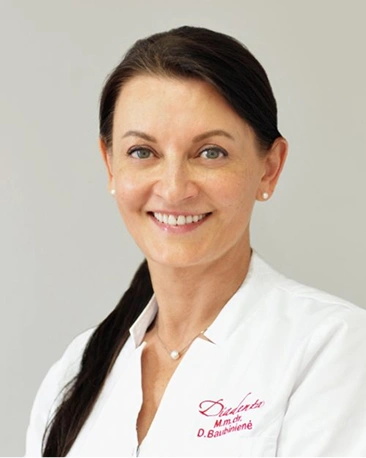
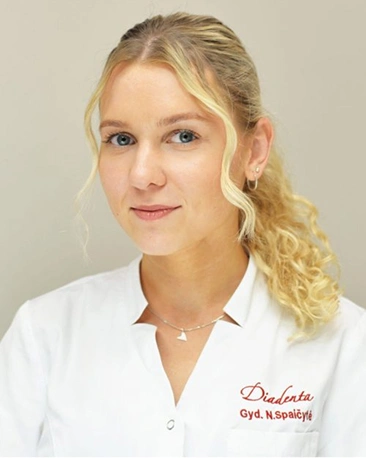
Specialists providing this service

Frequently asked questions
Yes. At the Diadenta clinic, orthodontic treatment is provided for children, teenagers and adults.
Every new patient has a panoramic X-ray. Other X-rays are prescribed individually: some patients need only a lateral cephalometric X-ray, while others also need a CT scan. X-rays help assess the position of unerupted teeth in the jaws and the degree of root development, and detect extra teeth or missing tooth buds, periodontal problems, poor-quality root canal fillings and even the condition of the temporomandibular joint.
When a particular problem can be treated properly with either method, the orthodontist explains the differences, and you can take part in choosing the treatment.
From a few months to several years. The duration depends on the complexity of the problem, the appliance chosen and the patient’s cooperation.
Retainers help stabilise the new position of the teeth and reduce the risk of them moving back to their previous position.
Did not find the answer to your question?
Send a request – we will get in touch and advise you.

Start your
journey towards a healthy
smile
Choose a visit time that suits you in our online booking system. During the consultation, we will assess your situation and help you choose the most suitable treatment path.