
Pediatric dentistry
Thorough dental care for children, ranging from preventive checkups to treatment, with a strong focus on ensuring a safe and comfortable experience for the child.

Pediatric dentistry encompasses not only the treatment of primary and permanent teeth, but also the early prevention of oral diseases, the development of proper oral hygiene habits, and familiarizing children with dental treatment. At the Diadenta clinic, we place great emphasis on ensuring that a child’s first experiences at the dentist’s office are as calm and understandable as possible.
Regular preventive visits help detect tooth decay early, assess oral hygiene, and address problems before pain or more serious tooth damage occurs.
When should you take your child to the dentist?
A visit to the dentist is recommended not only when a child has a toothache. Preventive checkups allow for the early detection of signs of tooth decay and help monitor the condition of both baby teeth and permanent teeth.
You should see a dentist if:
- the child complains of tooth pain or sensitivity;
- you notice changes in tooth color, spots, or cavities;
- a tooth has chipped or been injured;
- chewing is painful;
- the gums are swollen;
- a baby tooth has been loose for a long time or is preventing a permanent tooth from coming in;
- a permanent tooth has erupted, but the baby tooth has not fallen out;
- you want to assess your child’s oral hygiene and risk of tooth decay.
The specialists at the Diadenta clinic recommend that children visit the dentist for preventive care twice a year, unless the dentist recommends a different frequency of visits.
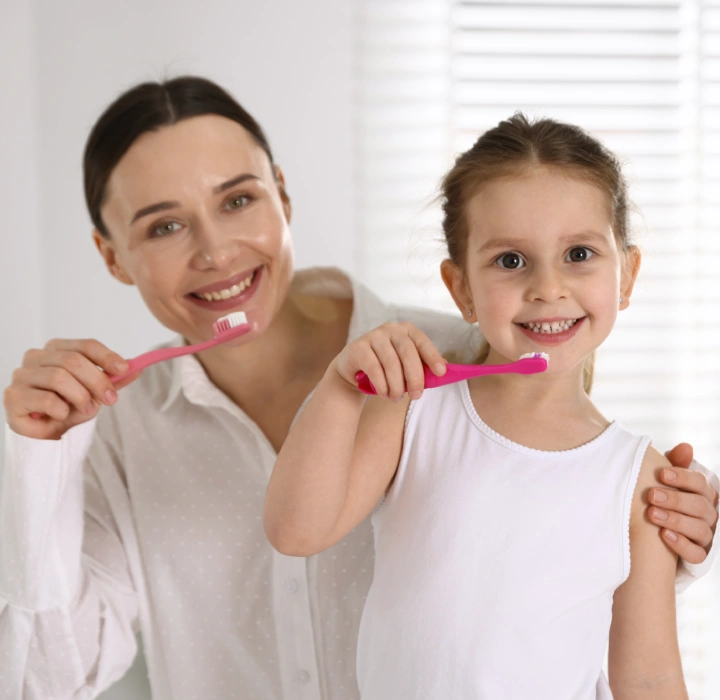
Want to book a visit?
Fill in the short registration form – our administrators will contact you and arrange a convenient time.
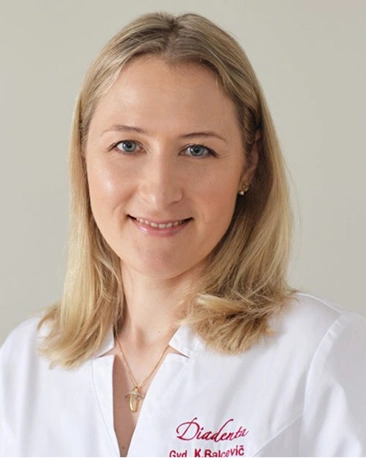
Specialists providing this service
Frequently asked questions
Yes. Baby teeth perform important functions, and untreated damage can progress and cause pain or infection.
Diadenta recommends a preventive check-up about twice a year. In individual cases, more frequent visits may be recommended.
For the first visit, an adaptation visit can be arranged. During it, the child gets to know the environment, the equipment and the dentist.
For a baby who has no teeth yet, it is recommended to gently clean the gums in the morning and evening. Once the first tooth erupts, regular tooth brushing should begin.
Fluoride is one of the most important means of preventing tooth decay. The fluoride concentration and the amount of toothpaste are chosen according to the child’s age and individual risk.
Did not find the answer to your question?
Send a request – we will get in touch and advise you.

Start your
journey towards a healthy
smile
Choose a visit time that suits you in our online booking system. During the consultation, we will assess your situation and help you choose the most suitable treatment path.